


I first became aware of La Ciénaga from a post I read here a few months ago, and fell in love instantly. The bags are vibrant pieces of art, and there’s something about them that feels both deeply rooted and completely modern. But honestly, what made me reach out was to learn more about the founder, Silvana, a Substack writer herself. The way she talks about her work made me feel like we were already on the same page about what fashion can and should mean.
I knew I needed to invite her to be part of this series and give her some visibility on my humble platform. One of the goals of this series is to also give voice to small brands that are so innovative but may not have the capacity to promote themselves the way bigger brands do.
So I reached out, and Silvana so graciously accepted to answer a few questions and introduce her brand to you all.
At the end of the interview, you’ll experience another day in another Colombian city, styled in an outfit full of Colombian brands. This time, Villa de Leyva, so don’t skip that part. If you do, karma will come to your door, and honestly, that would be very rude.
So let’s go ahead and get to know Silvana and her brand La Cienaga.
Tell us a little bit about yourself, who are you, and how La Ciénaga came to life?
I’m Silvana Bonfante, a Colombian anthropologist and cultural advisor. From my very first semesters of study, I became deeply interested in material culture and the way different societies, ancestral or contemporary, could use creativity and the singular materials of their surroundings to create utilitarian objects that, through various techniques and crafts, became not only unique and identity-defining, but also of great aesthetic and cultural value.
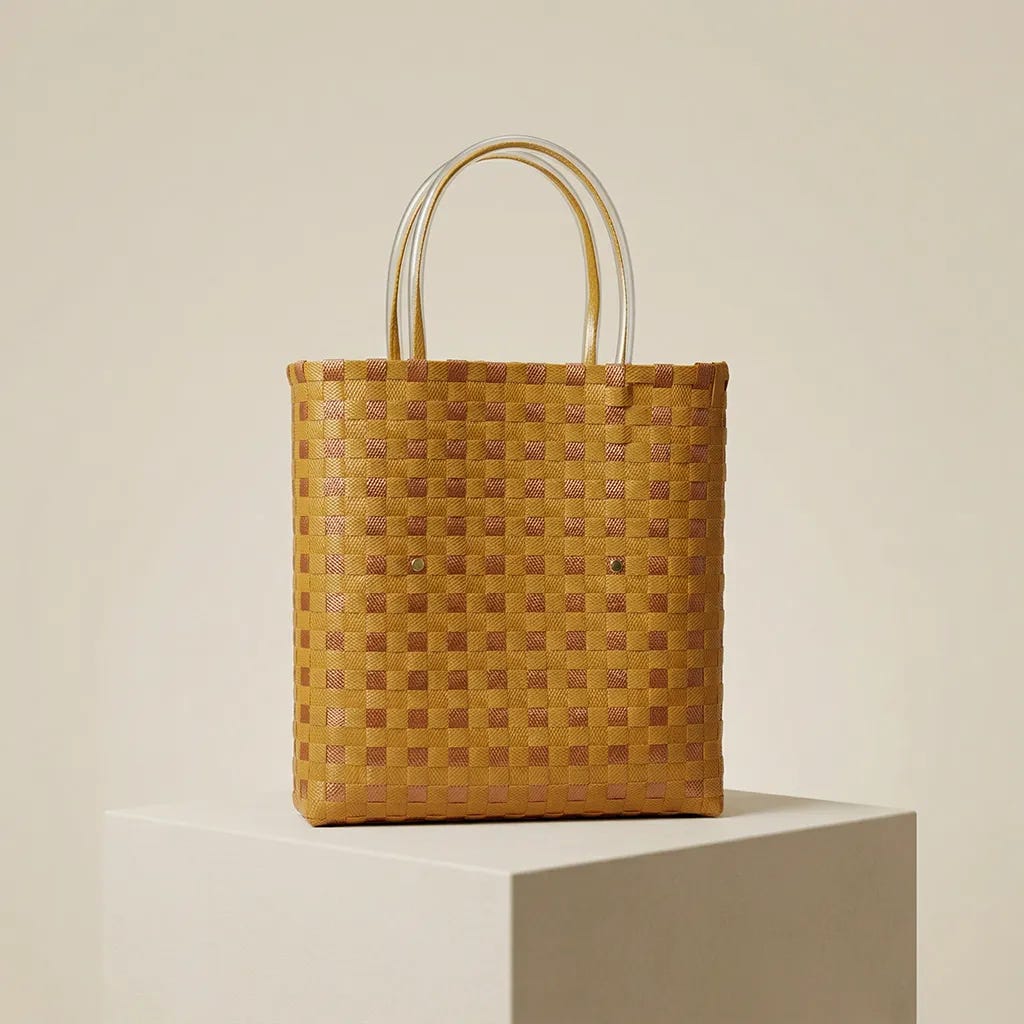
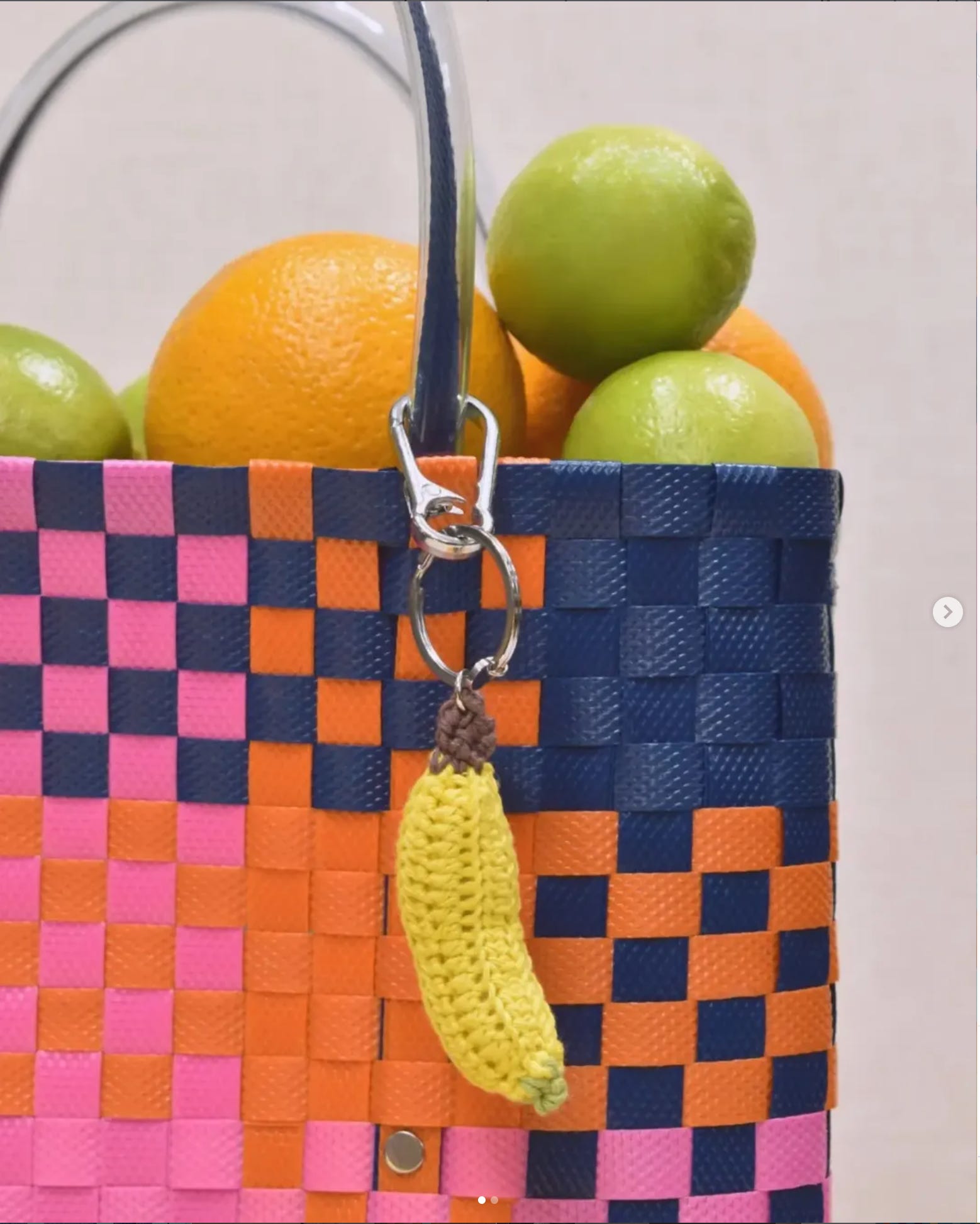
That’s how La Ciénaga was born, from my personal interest in craft and my early academic curiosity about weaving and textile structure, but also from my passion for woven containers, or “artifacts” made for carrying things: baskets, tote baskets, market baskets. The project has lived in my head for more than fifteen years, since a visit to the market in Villa de Leyva, a small town in the central Colombian highlands, where I met a peasant woman who not only wove and used recycled PVC fiber baskets to carry her groceries home, but had also started selling them at her fruit stand. The moment I saw them, I fell in love, I started using them in my everyday life, and I knew that these utilitarian objects, which had almost inadvertently ended up being beautiful, deserved to be known by the world.
La Ciénaga is described as carrying “a piece of our identity.” Where does that identity come from for you, and how does it show up in the design of the baskets?
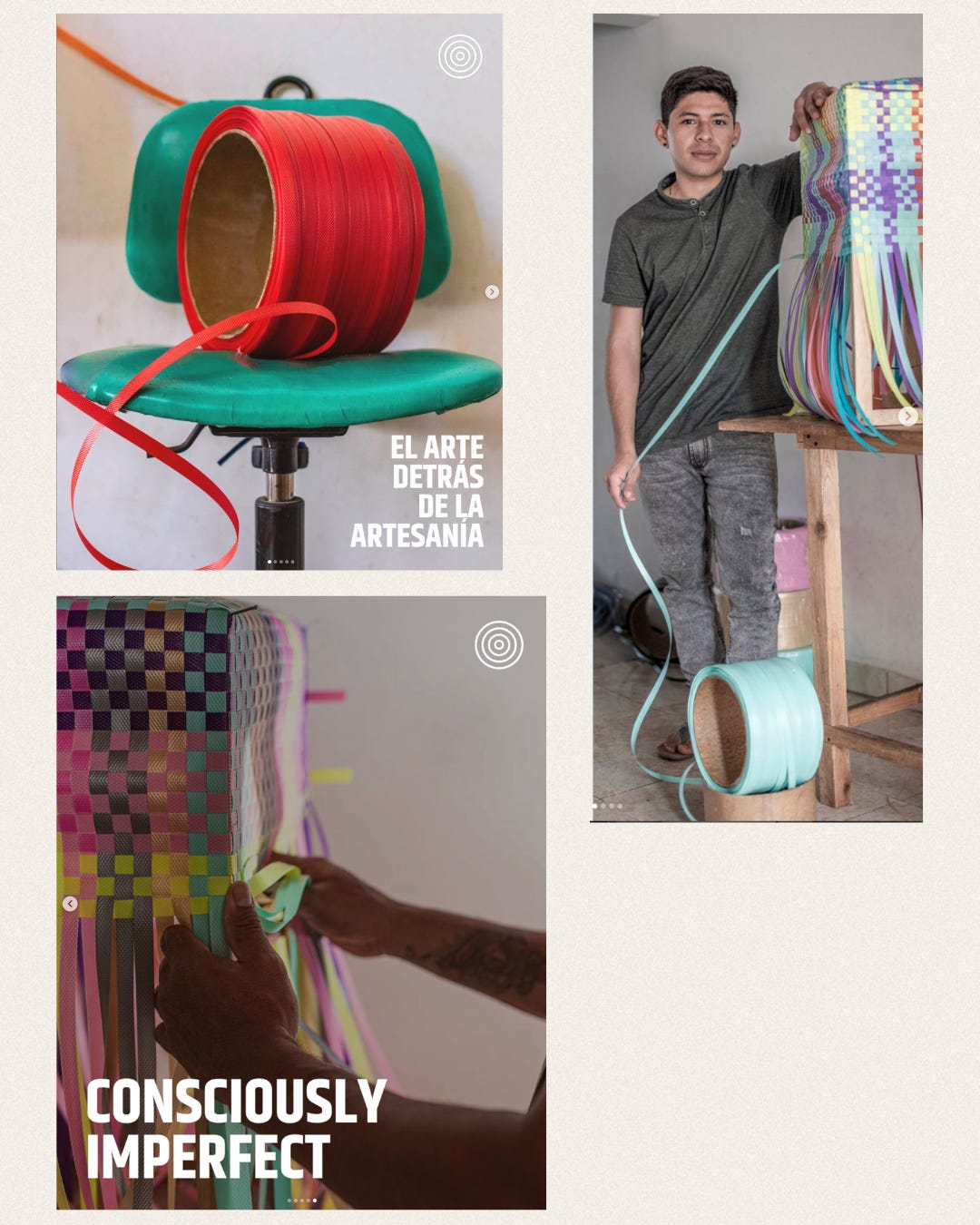
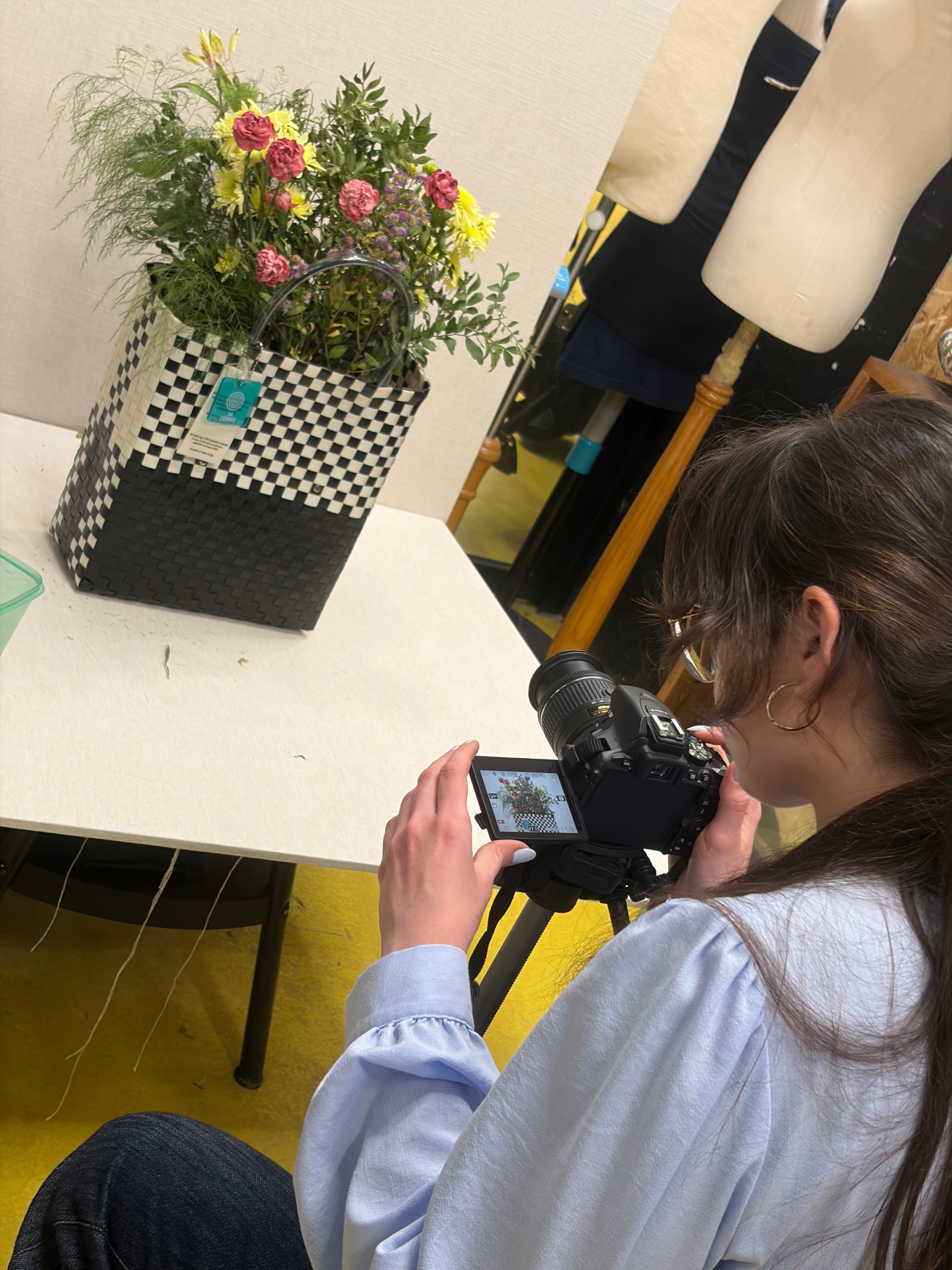
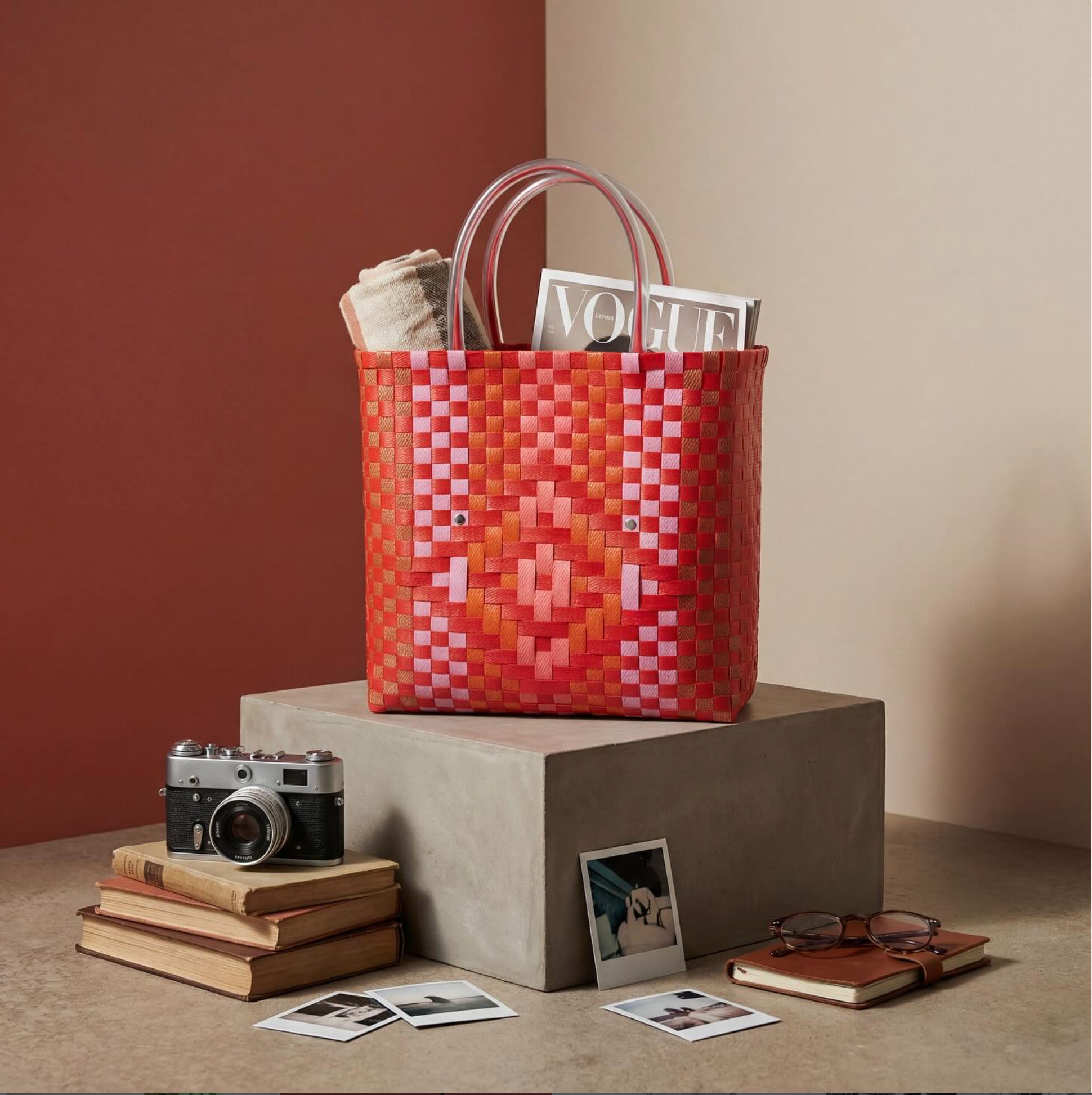
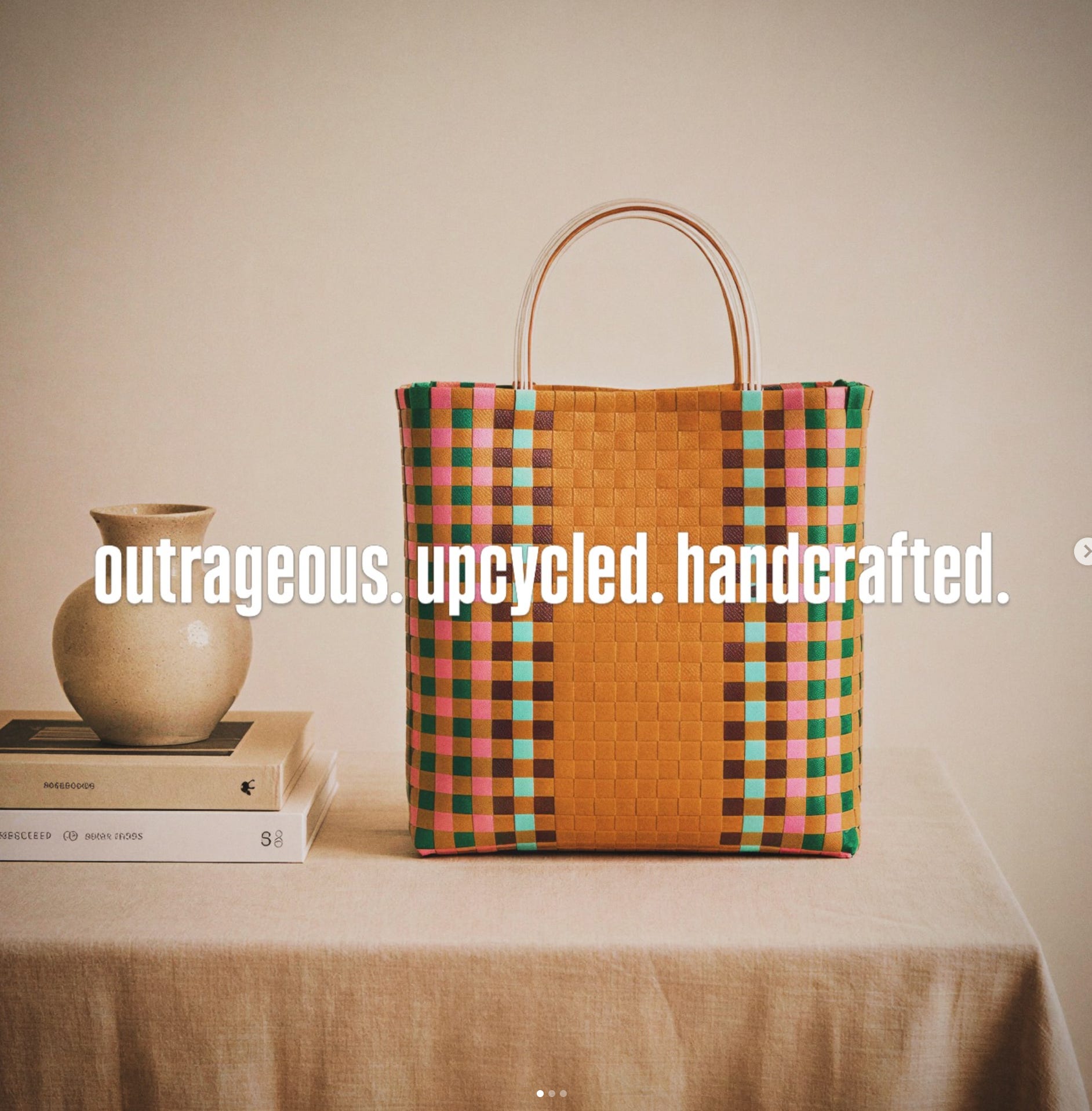
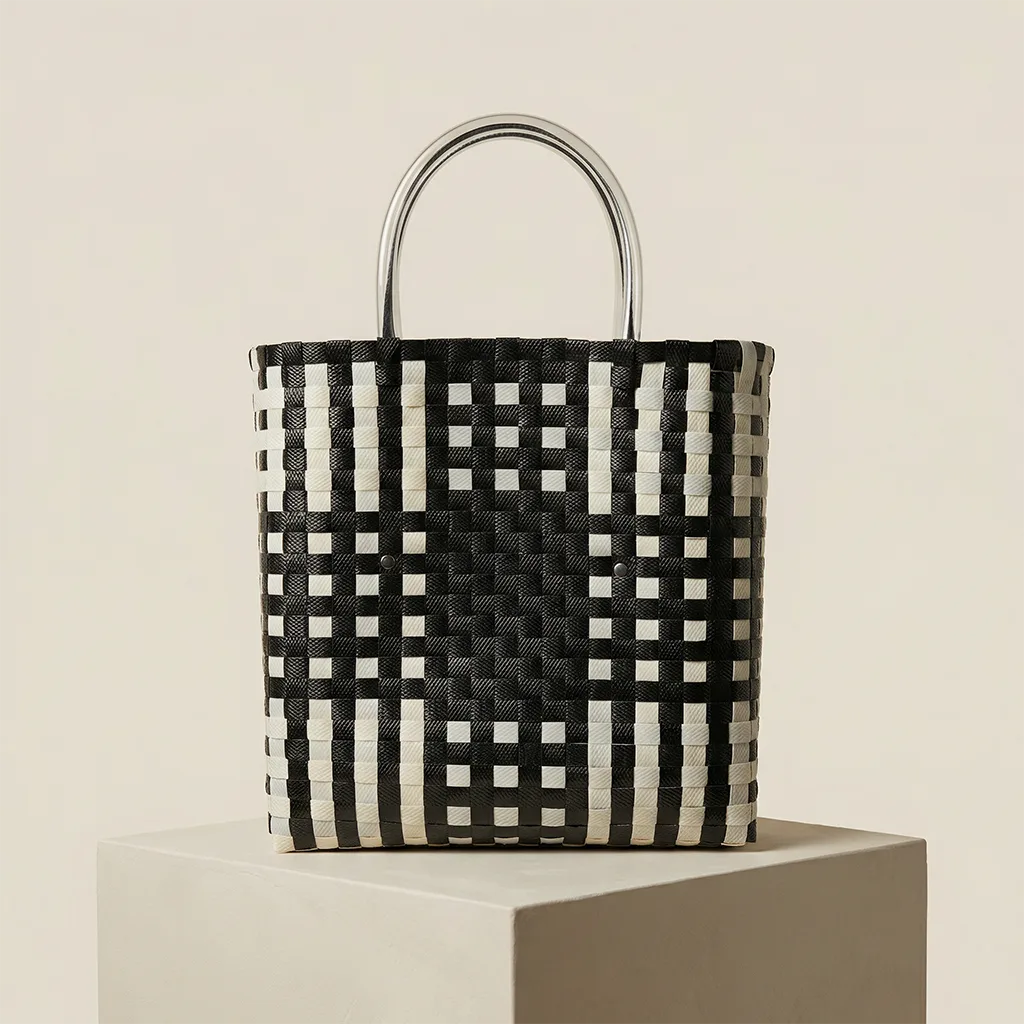
Unlike baskets made from natural fibers, La Ciénaga’s pieces are crafted from PVC fiber, the plastic strapping material used to bundle heavy-transport shipping boxes and the pallets that wrap the fruits and vegetables arriving at popular markets across the Colombian highlands (also known as “fleje” in Spain). This material is typically discarded once the products are unpacked. The women of the region saw an opportunity in this waste, repurposing it to weave bags that made it easier to carry their groceries home. Over time, the practice spread, giving rise to new patterns and increasingly complex designs shaped by whatever colors were available.
For me, that is their defining characteristic, what makes them truly unique and gives them their particular identity: one shaped entirely by their environment, and which ultimately transforms a practical necessity into an aesthetic and a way of life that is unmistakably tied to its place of origin. This is the starting point of La Ciénaga.
The brand is built around a very specific place, the Colombian highlands at 2,600 meters. How does that landscape shape the work, beyond just where it’s made?
This question feels particularly important to me because in Europe, baskets and colorful accessories are traditionally associated with summer. So it’s always a little strange to explain that in the equatorial belt of the planet, where seasons don’t exist, there are still different thermal climates where artisanal, colorful objects are made, even when the average annual temperature is around 10°C.
But beyond climate, the Latin American reality is colorful by nature. Its environmental and cultural richness stays alive despite factors like ecological exploitation and poverty. In that sense, I believe color is a way of confronting those realities, and that comes through in the material culture we produce, which does more than reflect its surroundings: it enriches them and keeps them dynamic and alive.
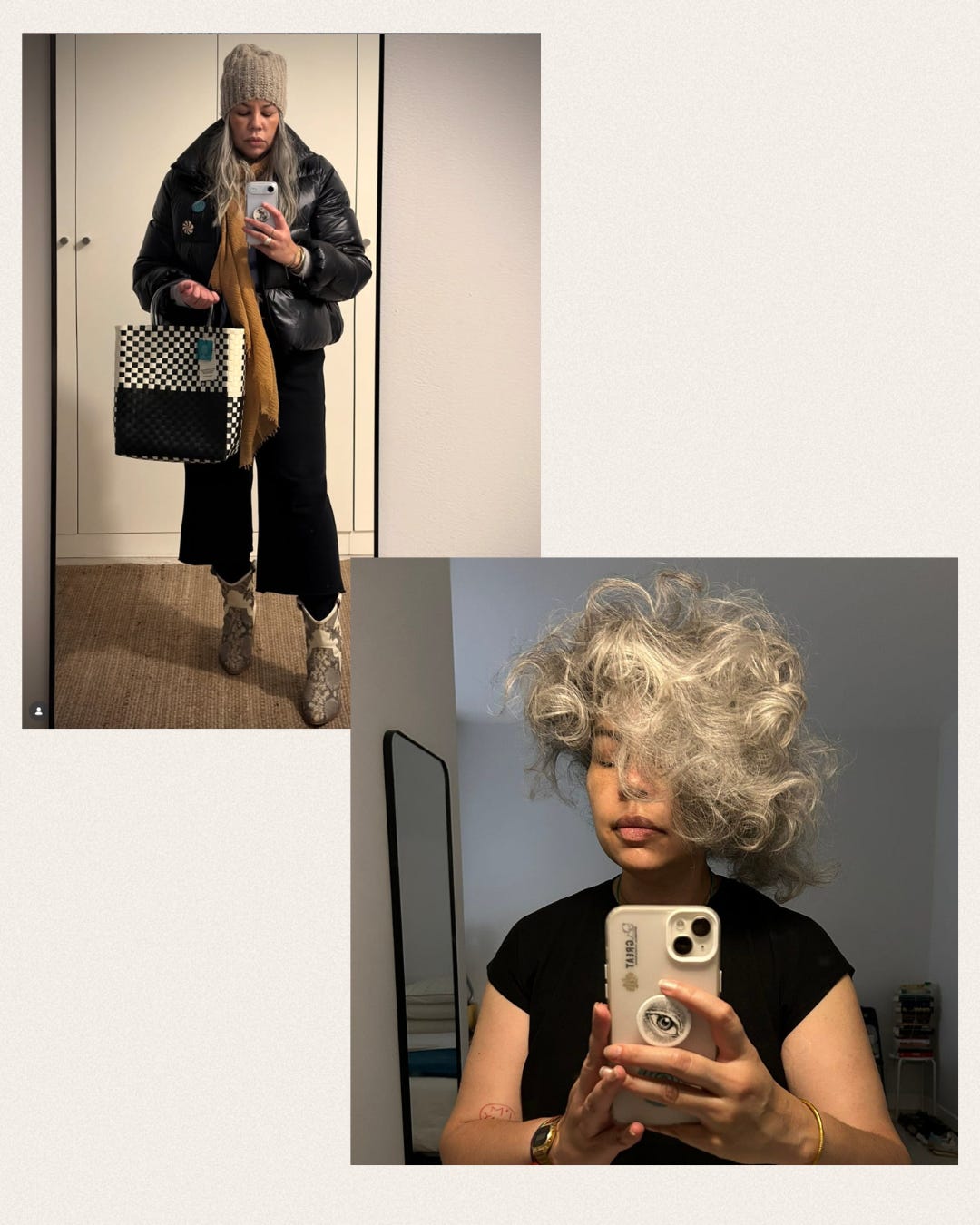
At La Ciénaga, we’ve set ourselves a challenge that isn’t simple, but we’re committed to it: making baskets fashionable year-round, and convincing our community that a dark coat and scarf pair perfectly with a woven, colorful accessory.
Where do you see La Ciénaga going? Is the goal to grow, or to stay deliberately small?
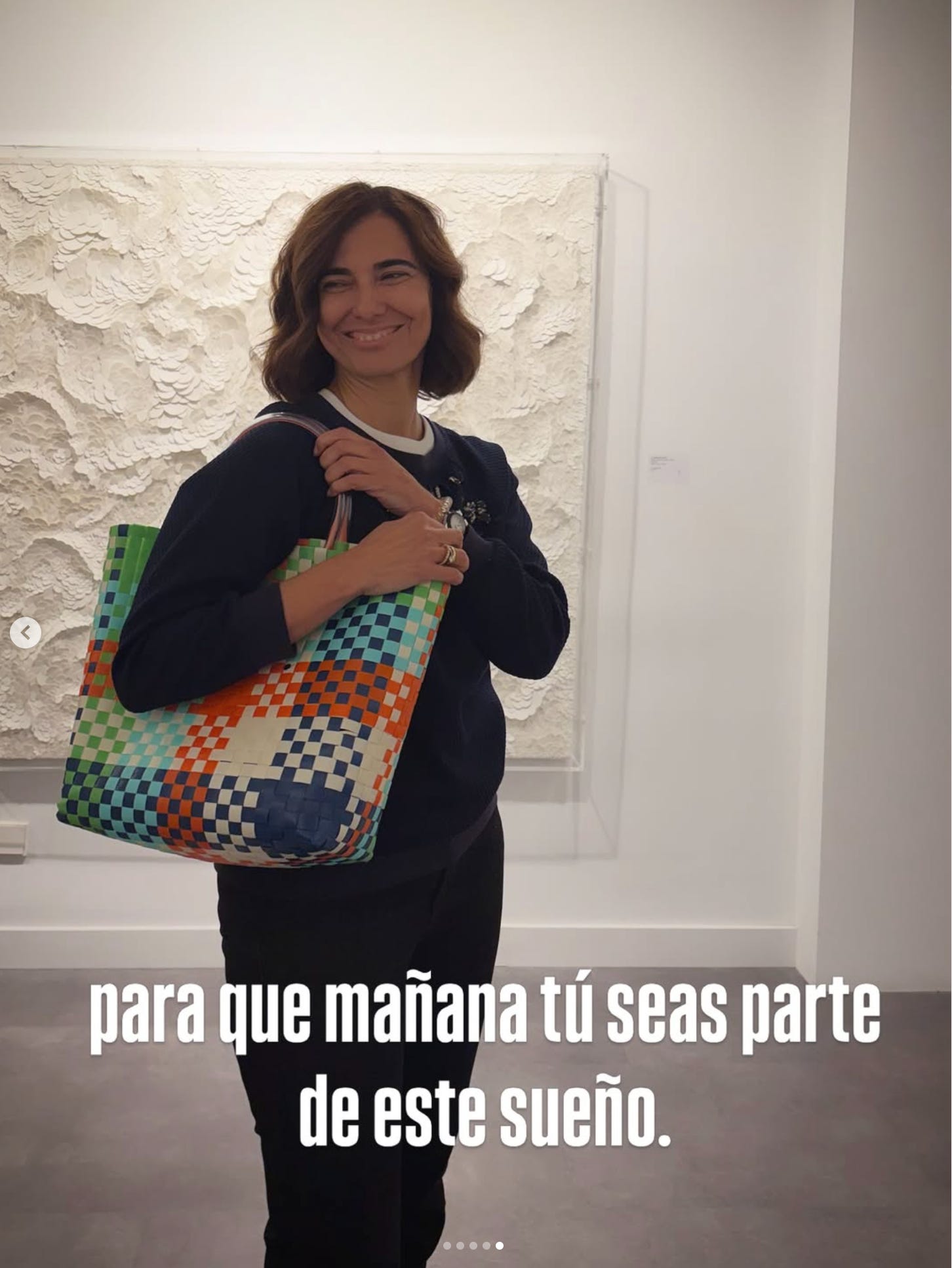
I am building this venture one day at a time at the age of 50. That doesn’t mean I don’t want to see the brand grow; on the contrary, I’d love for it to become a true reference point, not only for fashion accessories but as a slow fashion model where circularity accompanies the object itself, contributing, even in a small way, to shifting the current mindset of mass, seasonal consumption. Offering people unique objects, created in Colombia to last, that will accompany them for a long time.
I’d also love to diversify the collections beyond baskets to include lifestyle and home décor pieces. But for now, my goal is for many people to discover us, to appreciate the artisanal work of my country, and for every single person behind this project, from the one who collects the bottles for recycling to the one who puts the last rivet on the handle of the basket that reaches your hands, to receive visibility, employment, and fair compensation for their work.
Fun rapid-fire questions:
The last thing that inspired you?
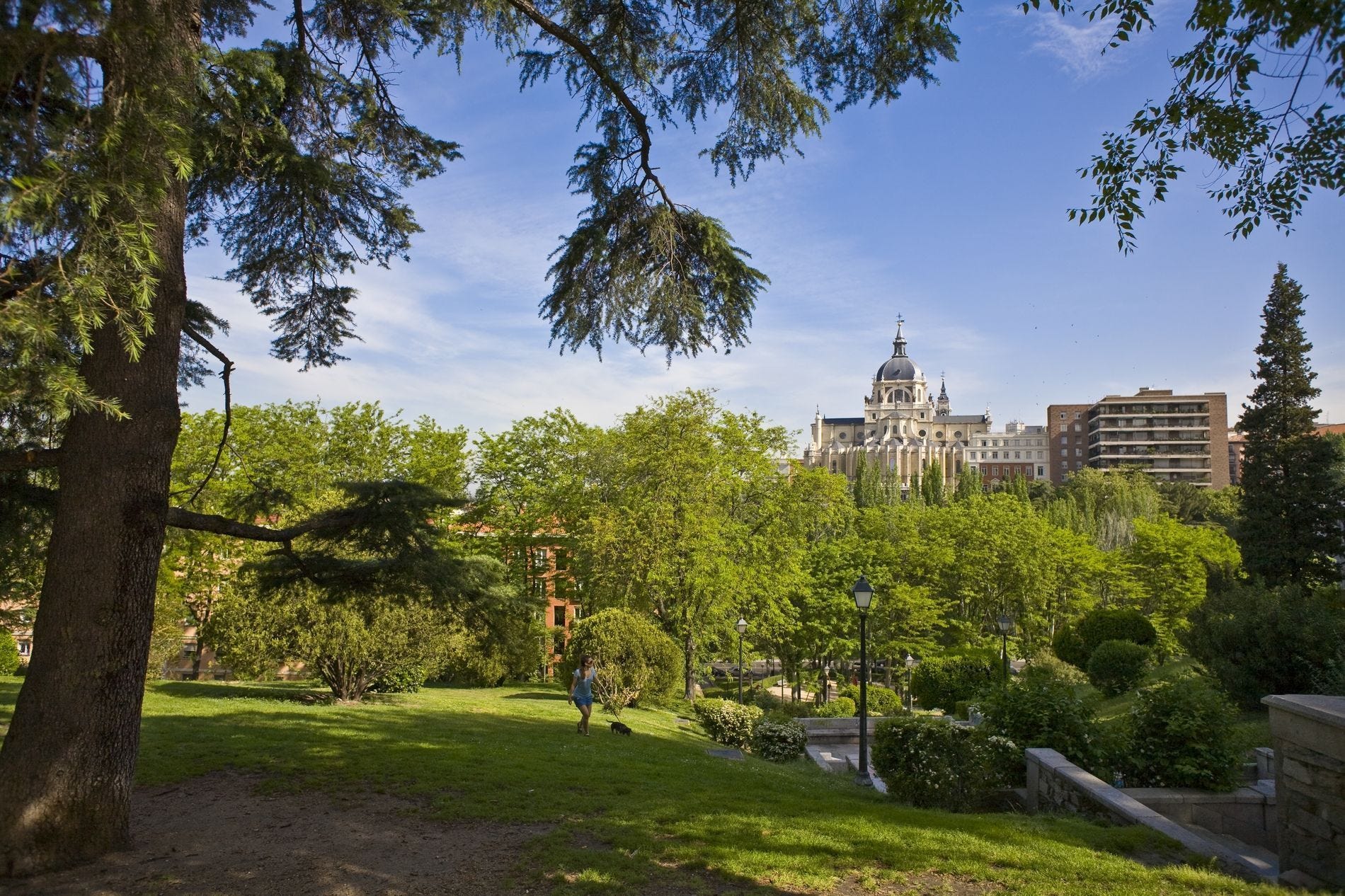
A wonderful sunset yesterday at 9:34 p.m. from el Parque de las Vistillas, just across the street from our small studio in Madrid.
Minimalism or maximalism?
I guess tropical minimalism is my thing.
Who is a designer you deeply admire?
Oh, it's really hard to choose just one... Miuccia Prada, Phoebe Philo, Vivienne Westwood, Diane von Furstenberg, Molly Goddard, Silvia Tcherassi (who, by the way, designed my first wedding dress!), Ray Eames, Charlotte Perriand, all the wayúu women of La Guajira, Colombia, who weave their own mochilas and mantas, always my choice when I don't know what to wear, and there are so many emerging designers in Latin America I can't even...
The best piece of advice you’ve ever received?
Don't let them see you cry, enjoy the process, and from my mother: no matter what happens, always wear lipstick.
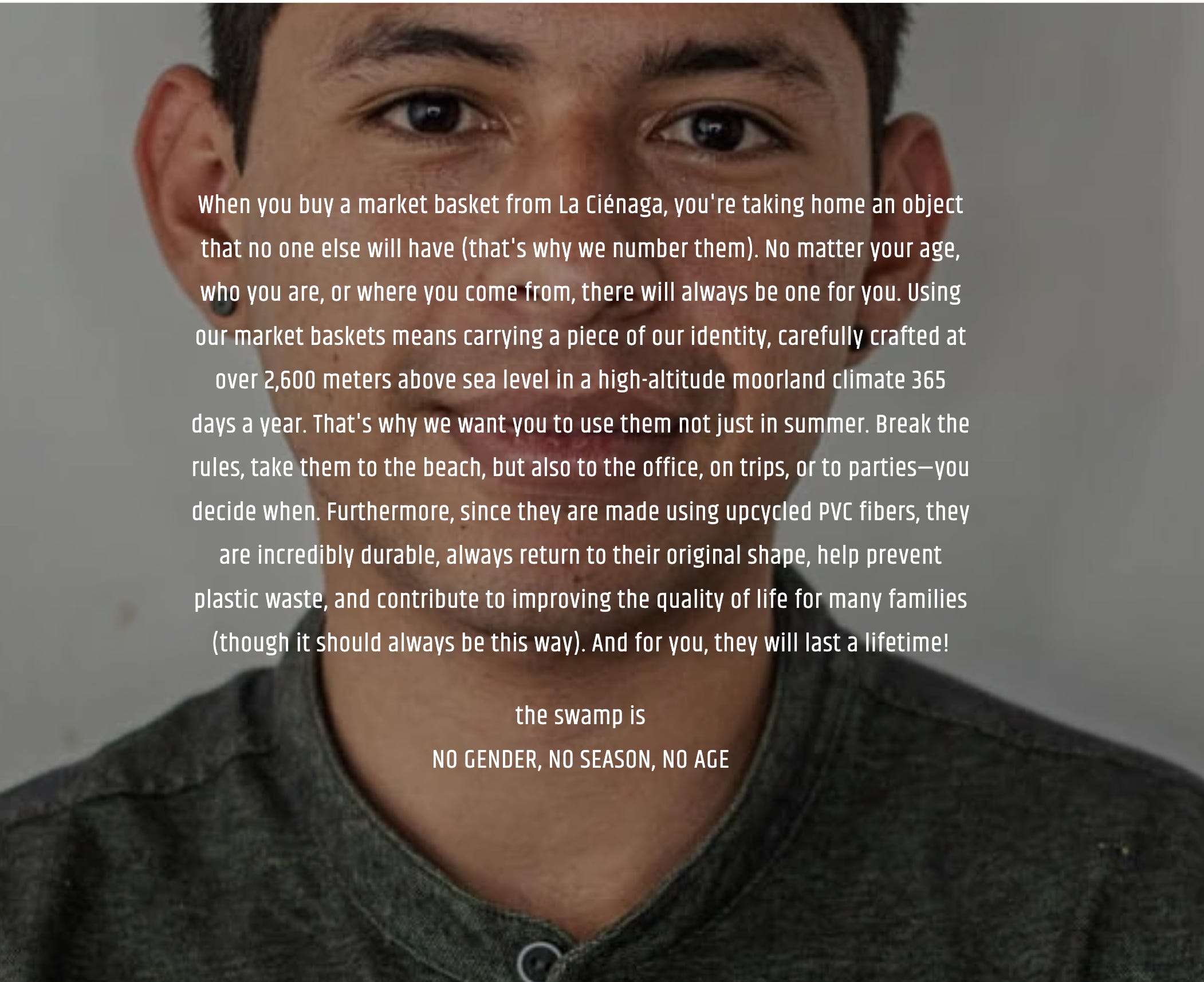
I also wanted to share La Ciénaga's manifesto here, which in a way circles back to everything Silvana just explained.
The Pieces That Made Me Fall in Love
The Outfit Moment/ A Day in Villa de Leyva
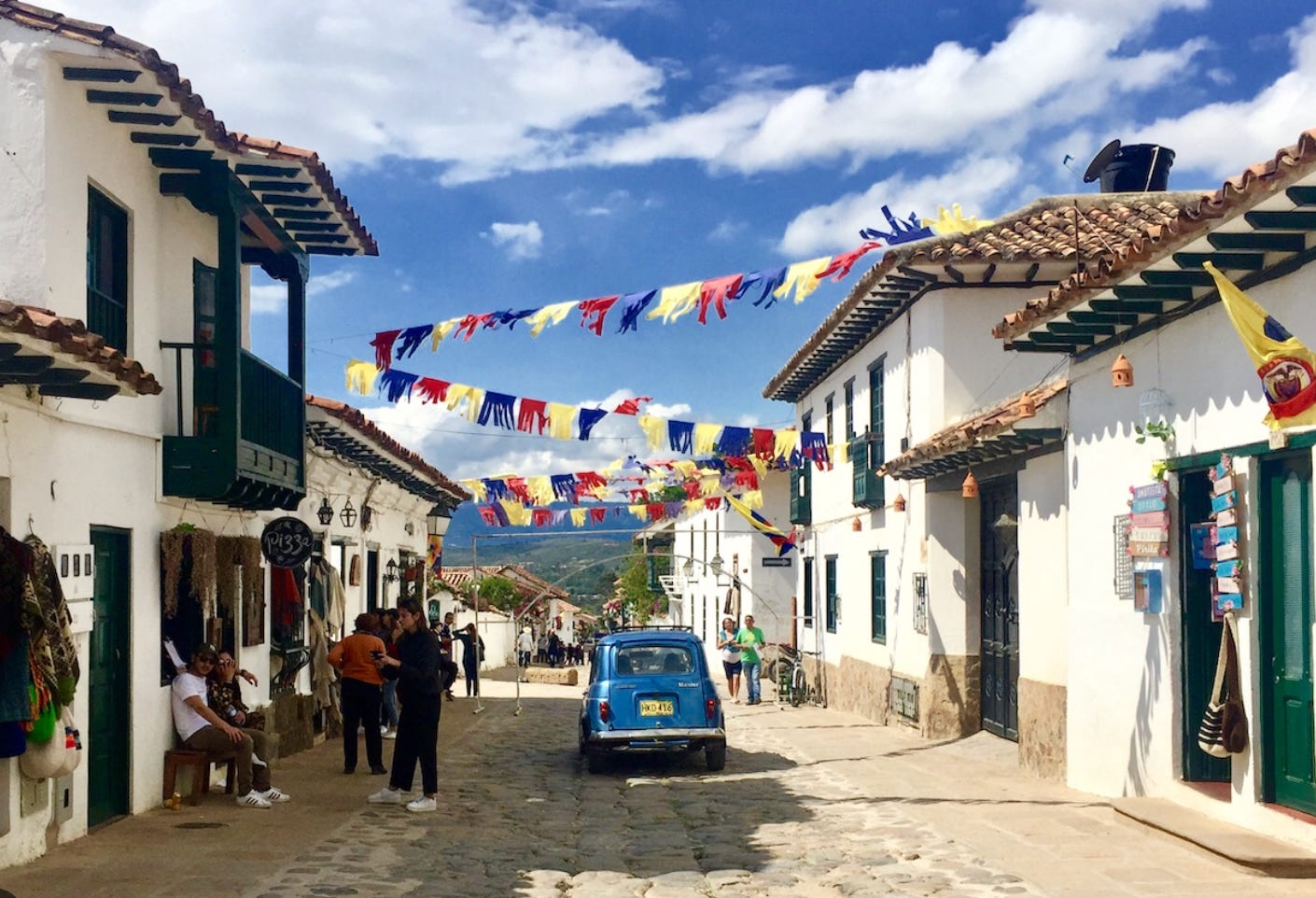
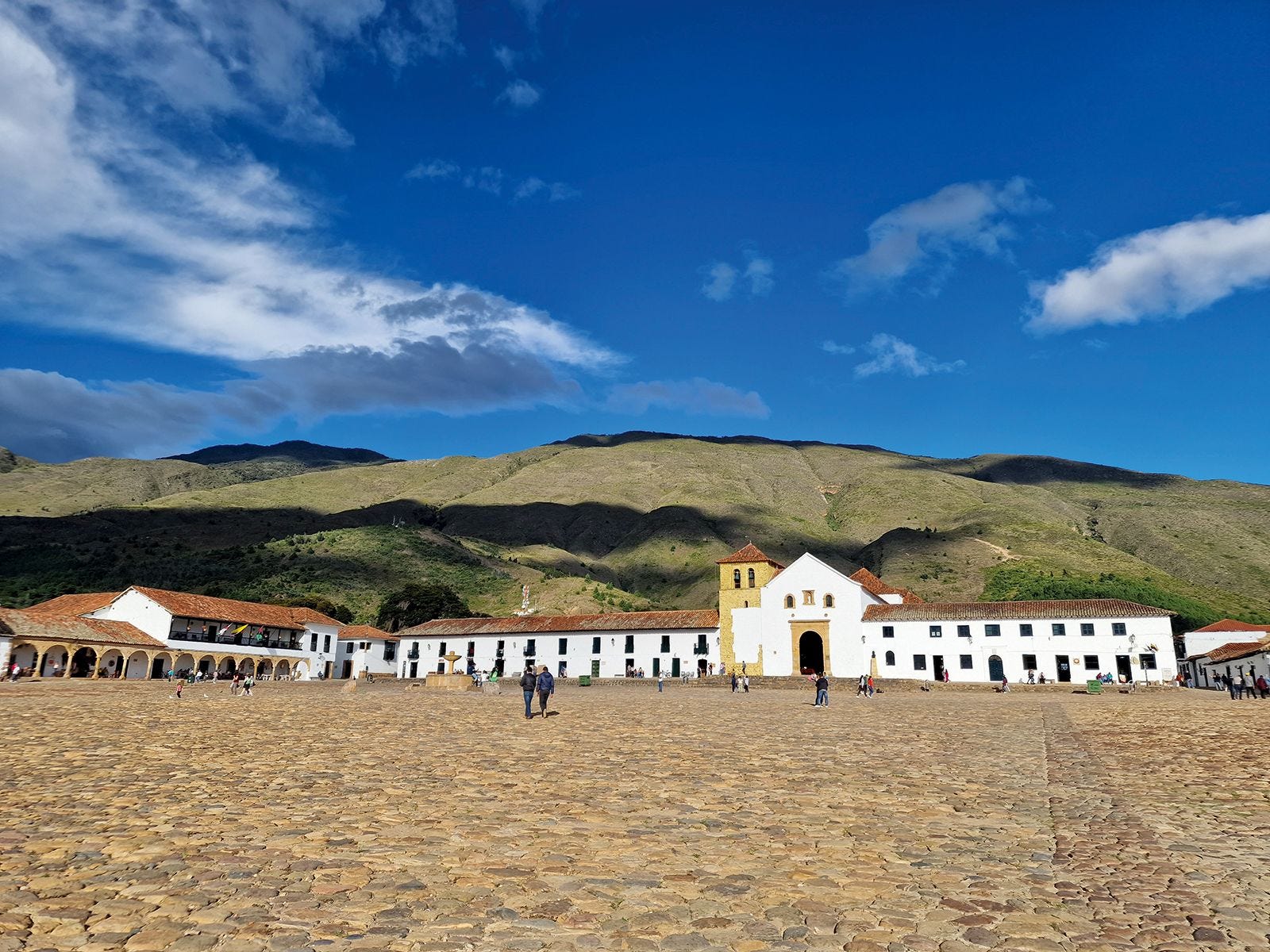
I invite you to spend a morning with me in one of the most beautiful colonial towns in Colombia, Villa de Leyva. A 16th-century Spanish colonial town located in the Boyacá department, it is famous for its whitewashed buildings, red terracotta roofs, and massive cobblestone main square.
We start the day at Café Los Gallos, with a proper Colombian breakfast: a warm arepa with butter and cheese, eggs, and a cup of good black coffee.
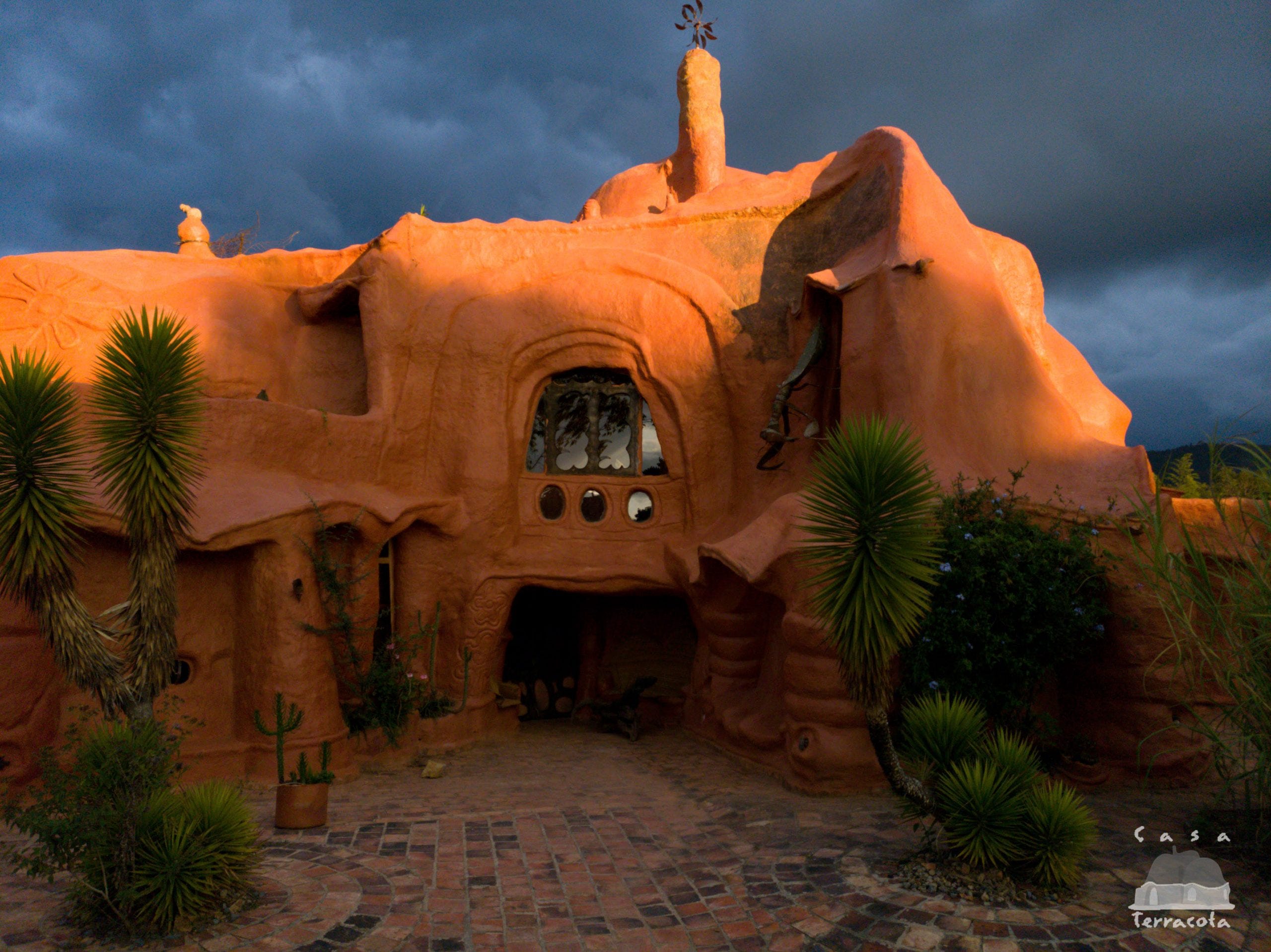
Then, we go and explore the town, walking through cobblestone streets, full of small shops, and we let them lead us to one of the most unexpected places in all of Colombia, the Terracotta House, the largest pottery structure in the world, designed by Colombian architect Octavio Mendoza Morales. It's sustainable, it's surreal, and it's completely one of a kind.
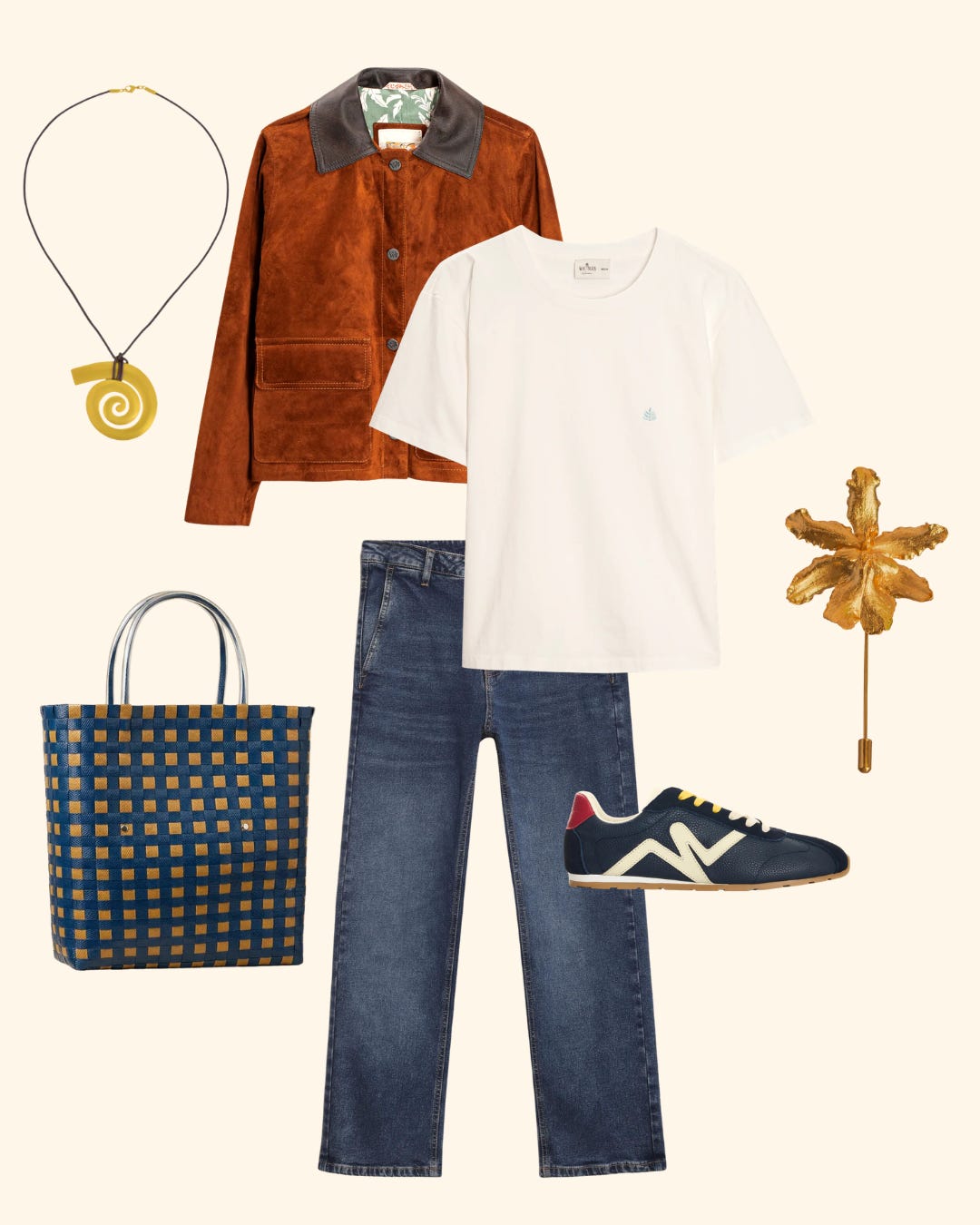
And of course, the outfit. All Colombian brands. A suede jacket to fight off the cool highland air, layered over a crisp white tee, straight-leg jeans, and navy sneakers. The La Ciénaga tote in navy and mustard woven PVC ties the whole look together, finished with La Cano gold spiral pendant necklace and a gold orchid brooch.
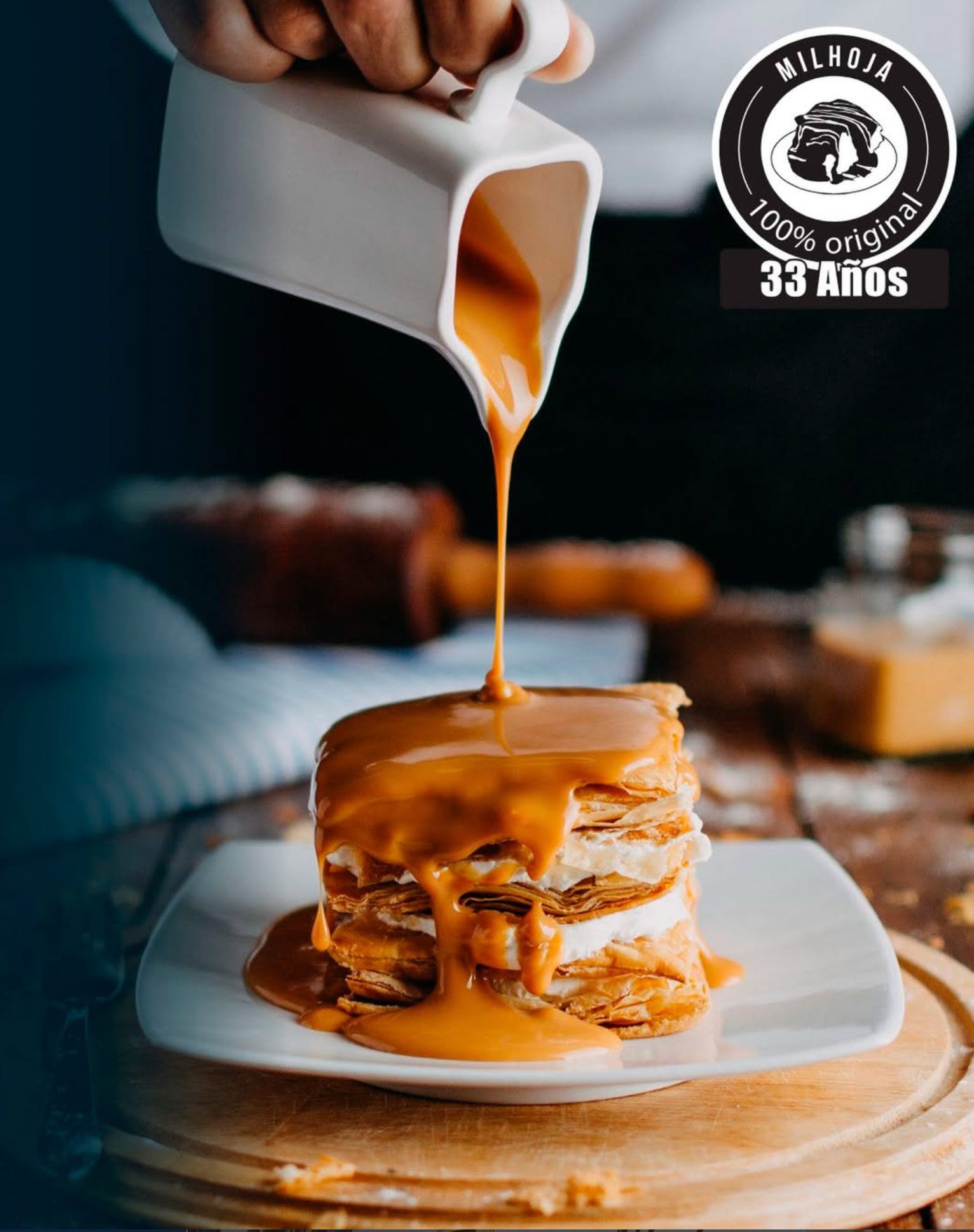
We wrap up the day with lunch near the Plaza Mayor, and because Villa de Leyva demands it, we end on something sweet, a milhoja, one of Colombia's most beloved traditional desserts: layers of puff pastry, arequipe (a milk caramel that will change your life), and cream.
I hope you enjoyed discovering another Colombian brand as much as I enjoyed sharing it. Go support La Ciénaga, these baskets deserve to be everywhere. And if Villa de Leyva isn't already on your travel list, consider this your sign.
Los quiero, see you next Friday!
Nati
Thank you for reading, for being here, for caring about my writing as much as I care about telling it.
If this post made you smile, cry, or feel something in between, here are a few ways to show some love:
Like, comment, share, or restack — every single one makes me cry and excited
Subscribe or upgrade to a paid subscription — it keeps this newsletter alive
Or buy me a chai latte — because I am completely obsessed, lol ☕. Just click this cute coffee mug.

These bags are incredible, and "tropical minimalism" is my new summer style mantra! I enjoy these posts so much.
These baskets!!!!